


Jōgon-in Temple: History and Cultural Heritages
Jōgon-in is a Jōdo sect temple founded in 1577 by Oda Nobunaga at the western edge of the castle town of Azuchi Castle, on the site of the former Jion-ji Temple, the family temple of the Sasaki Rokkaku clan. He invited the Jōdo sect monk Ōyo Myōkan Shōnin from Kinshōzan (present-day Rittō City, Shiga Prefecture) to establish it.
It is also known for the "Azuchi Religious Debate" that took place in 1579 between the Jodo sect and the Nichiren sect.
Jōgon-in was designated by Nobunaga as the head temple of the Jōdo sect in Ōmi Province, and had over 800 branch temples and sub-branch temples.
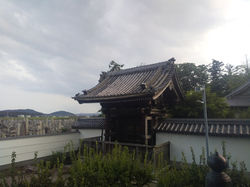
Against this historical backdrop, various artifacts have been preserved, including works of art related to Pure Land Buddhism, scriptures and commentaries, collections of tales, as well as name inscriptions, framed calligraphy, and rubbings. In addition to seven nationally designated important cultural properties, including the main hall, the gate tower, and the principal image of the seated Amida Buddha statue, there are also prefectural and municipal designated cultural properties remaining in the temple grounds.
 |
|---|
 |
 |
 |
 |
 |
 |
 |
 |
 |
 |
 |
 |